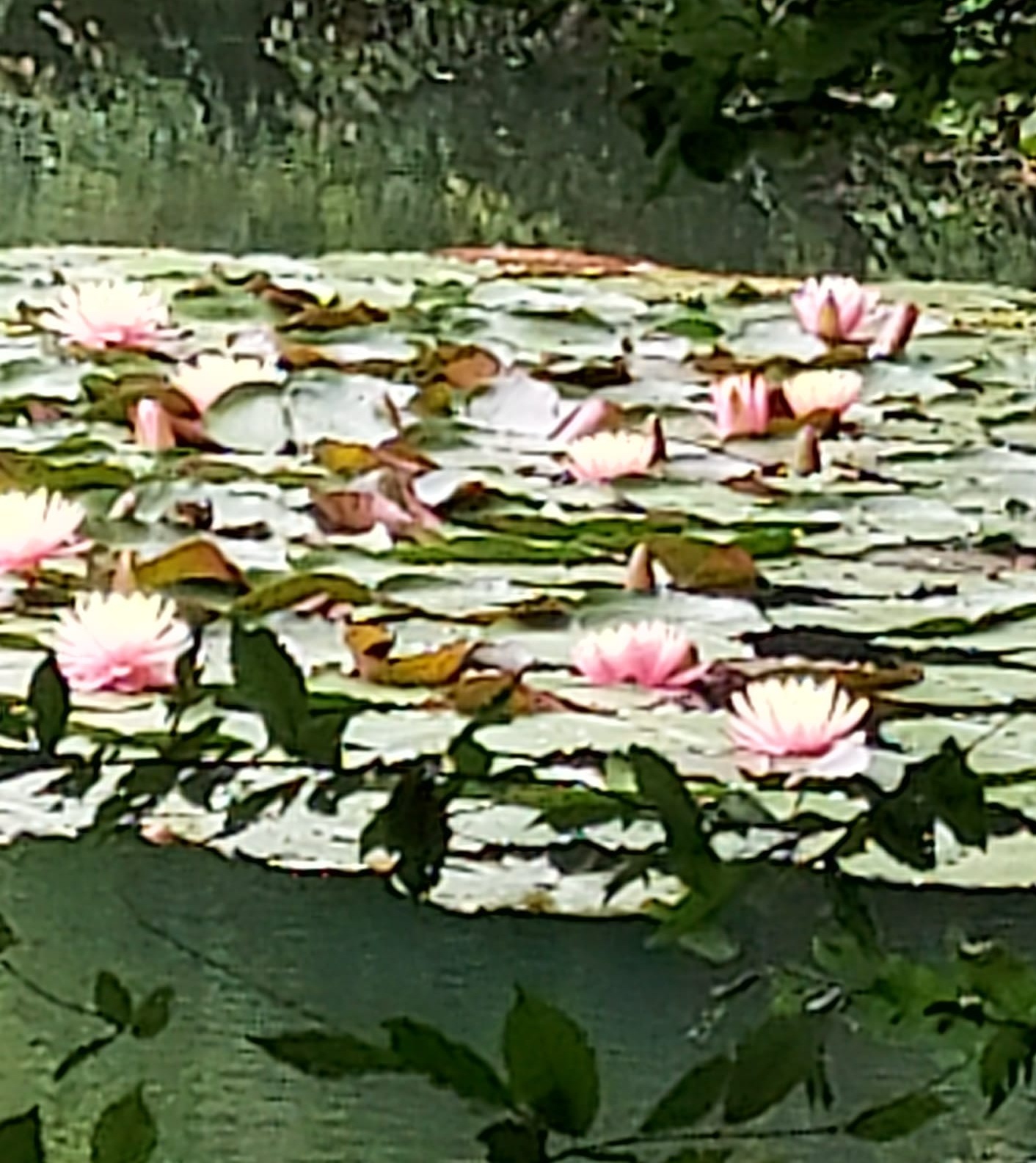
Flower Properties
| Property | Value |
|---|---|
| English Name | White Water Lily |
| MainColor | Pink |
| PlantType |  Herb Herb |
| Growth Type |  Native Native |
| Season | May |
| ImageUrl | Nymphaea-001 |
| Photographer | Gita |
| Location | |
| Human Toxicity |  Mildly_Toxic Mildly_Toxic |
Flower Details
Description
The European White Water Lily is an aquatic perennial with large, round floating leaves and fragrant white flowers that bloom from June to September. The flowers have numerous petals and a bright yellow centre, typically measuring 10-20 cm in diameter. The plant thrives in still or slow-moving bodies of water such as ponds and lakes.
Distribution
This species is native to Europe, North Africa, and parts of Asia, and it has been introduced to North America. It is commonly found in temperate regions, preferring shallow, nutrient-rich waters.
Medicinal/Other Uses

✅ Traditionally used in herbal medicine for its sedative and astringent properties. Extracts from the plant have been used to treat conditions such as diarrhoea and skin inflammations.
Edibility

Caution Advised - roots and seeds are edible when cooked, but raw parts may contain mild toxins.
Human Toxicity
Mildly Toxic - ingestion of raw plant parts may cause stomach upset or irritation.
Pet Toxicity

Mildly Toxic to dogs and cats - ingestion may lead to gastrointestinal upset and vomiting.
Active Compounds
Nupharin, tannins, alkaloids.