Flower Properties
| Property | Value |
|---|---|
| English Name | Blackthorn |
| Also Known As | Sloe |
| Scientific Name | Prunus spinosa |
| MainColor | White |
| PlantType |  Herb Herb |
| Distribution |  Cultivated Cultivated |
| Season Found | (Feb - Apr) |
| ImageUrl | Prunus-001 |
| Photographer | DP |
| Location Found | Abbots Langley |
| Country Found | UK |
| Last Updated | 05 September 2026 |
| Photo Quality | C |
Flower Details
Description
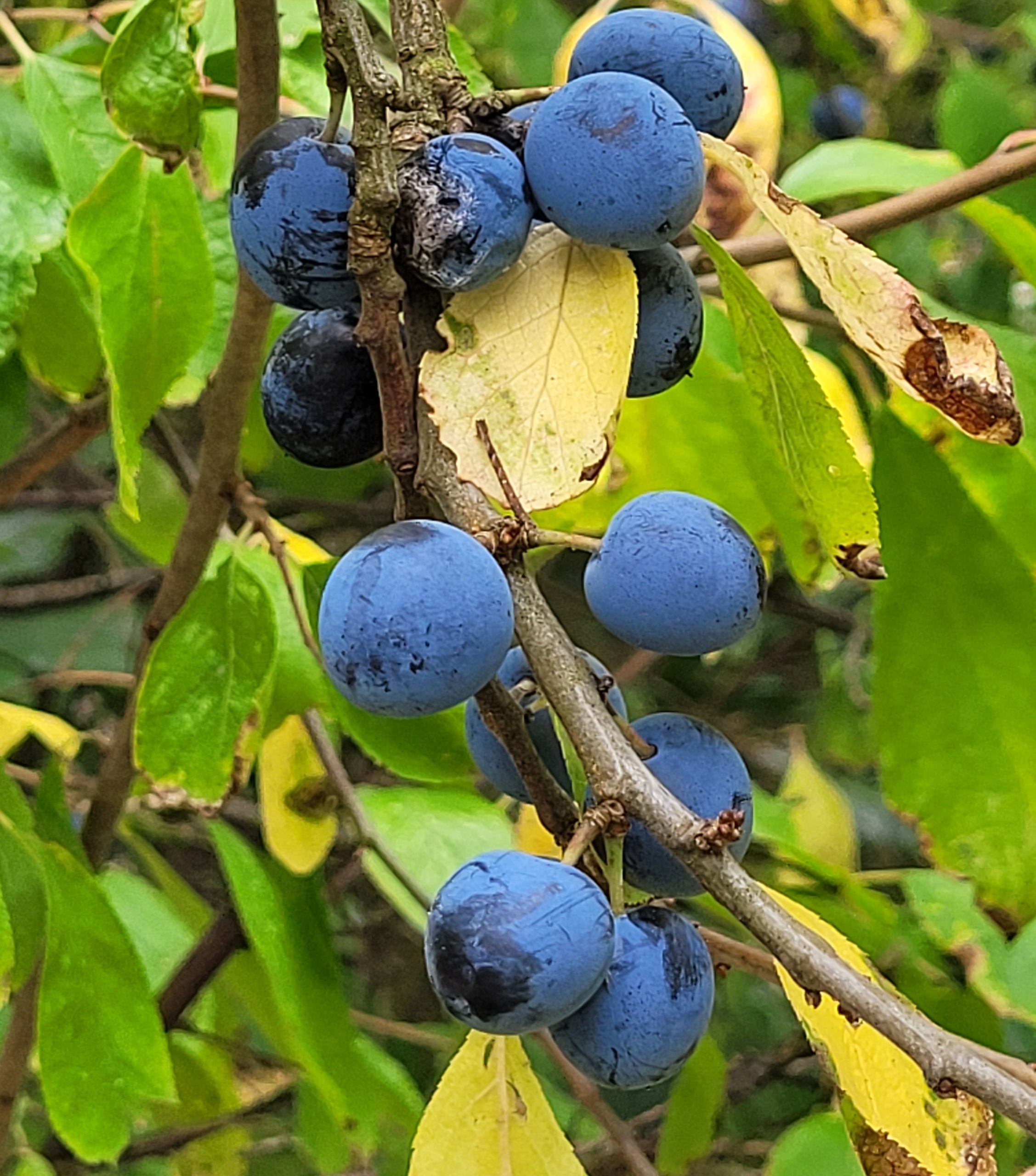
Blackthorn is a deciduous shrub or small tree with dark, spiny branches and white flowers that bloom in early spring. It produces small, blue-black fruits known as sloes, which are often used in making sloe gin. The plant typically grows to a height of 2–4 metres.
Distribution
Native to Europe, western Asia, and northwest Africa, Blackthorn is commonly found in hedgerows, woodlands, and scrublands throughout the UK.
Medicinal/Other Uses

✅ Traditionally used for its astringent and diuretic properties, Blackthorn has been employed in herbal remedies to treat digestive issues and skin conditions.
Edibility

Caution Advised - The fruit is edible when processed; raw sloes are extremely sour and astringent.
Human Toxicity

Mildly_Toxic
Mildly Toxic - The seeds contain cyanogenic compounds, which can release cyanide if consumed in large quantities.
Pet Toxicity

Mildly Toxic to dogs and cats - Ingestion of seeds may cause digestive upset due to cyanogenic compounds.
Active Compounds
Tannins, cyanogenic glycosides, flavonoids